


No products in the cart.
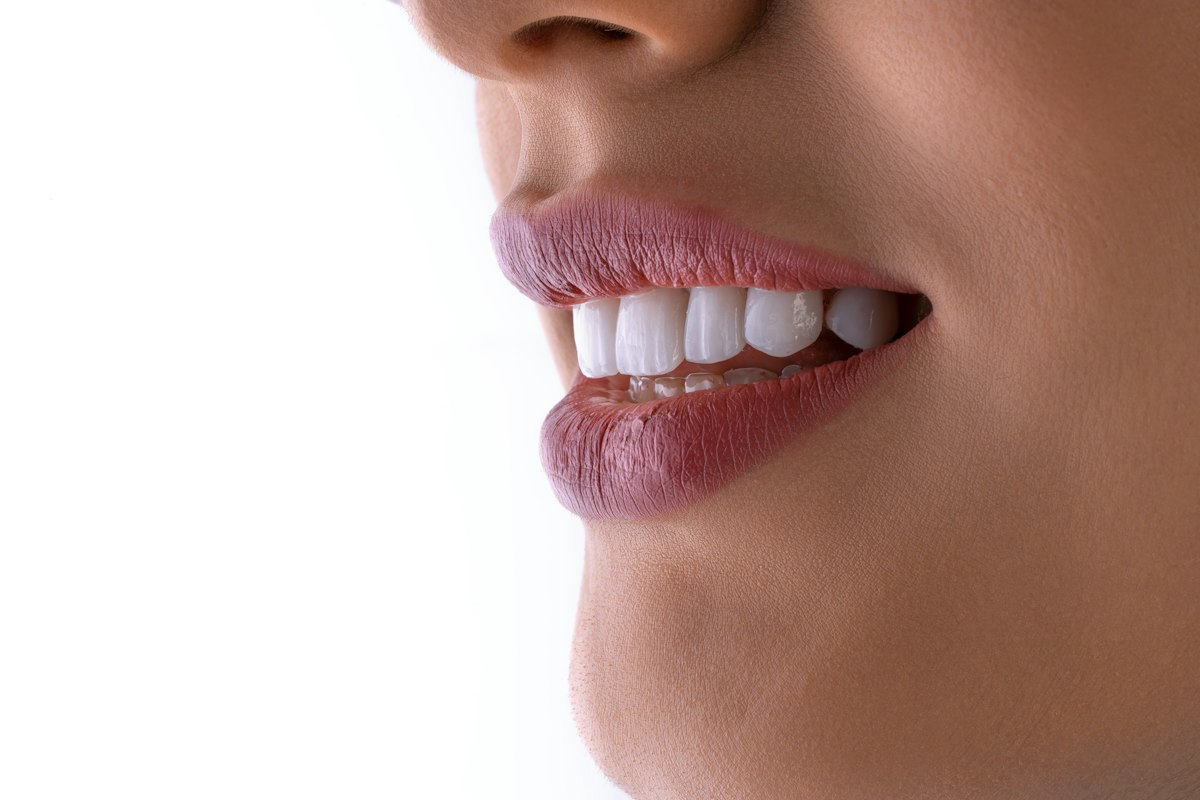
Thinking About Teeth Whitening? Read This First
Whitening is one of the most requested cosmetic treatments, and also one of the most misunderstood. Knowing what it can and cannot do saves a lot of disappointment.
Not all discolouration is the same
Surface staining from tea, coffee, tobacco or certain foods sits on the outside of the enamel and often responds well. Discolouration that comes from inside the tooth — from ageing, an old injury, or a tooth that has had root canal treatment — behaves differently and may need another approach altogether.
What whitening will not change
Whitening agents work on natural tooth structure only. Fillings, crowns, veneers and bridges keep the shade they were made in. If you have visible restorations at the front, whitening the natural teeth around them can leave an obvious mismatch, and those restorations may need to be replaced to match.
Get the basics sorted first
Active decay, gum inflammation or significant sensitivity should be treated before whitening. A professional clean on its own sometimes removes enough surface staining that people decide they do not need whitening at all.
About sensitivity
Temporary sensitivity and mild gum irritation are the most common side effects. They usually settle after treatment, and there are ways to reduce them. Supervised treatment matters here: the concentration, the contact time and protecting the gums are what keep the process safe and comfortable.
Making it last
Results vary from person to person and will fade over time depending on diet, smoking and oral hygiene. Think of it as something that is maintained, not something that is done once and finished.
If you are considering whitening, start with an examination. We will tell you honestly what kind of staining you have and what result is realistic for your teeth.
Book an appointment
Have a question about your teeth, or ready to be seen? Leave your details and we will call you back to confirm a time.